Wu Ming /2

YoungTolkien.jpg
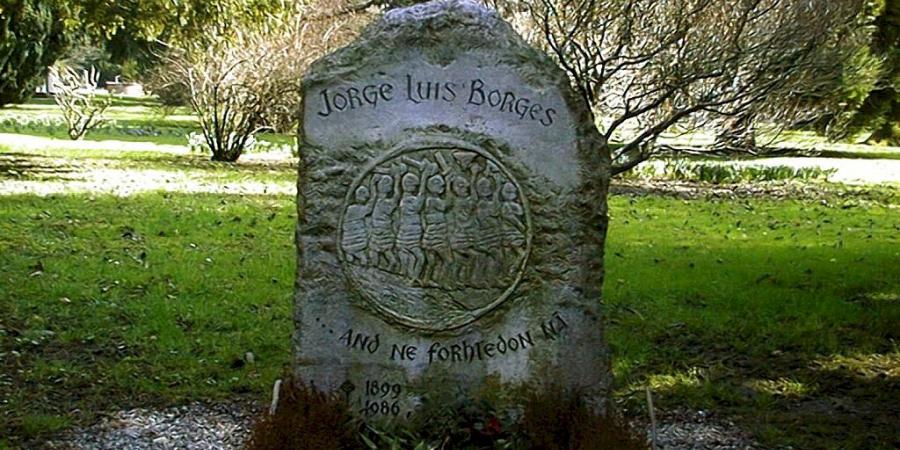
In 1976 Borges finishes the unfinished poem: literature as continuation of war by other means.

J.R.R. Tolkien's earlier version of the battle of Maldon. "Ofermode": the analysis of a word. From courage to pride, from heroism to questioning heroism.

The wood and the escape: outlaws, bandits, fairies, heroes becoming crazy and savage. "Choosing freedom in the catastrophe".
A new ending for the poem of Maldon (by Wu Ming 4): wits, hope, to continue the battle.
Audio placeholder

original (Italian)

Audio placeholder

with Spanish translation

Audio archive
Picture175reduced.jpg
A tale by Wu Ming 4: the battle of Maldon in Anglosaxon epics. "Lytegian": the "astute trick" of the Vikings.

A text version of this lecture has been published in Italian as "Un giorno a Maldon: il campo di battaglia e la parola magica".
YoungTolkien.jpg
In 1976 Borges finishes the unfinished poem: literature as continuation of war by other means.

J.R.R. Tolkien's earlier version of the battle of Maldon. "Ofermode": the analysis of a word. From courage to pride, from heroism to questioning heroism.
AgamemnonMask.JPG

Wu Ming 2's talk.
The power of one single word. In every story there are room and hooks to tell new ones, to modify the original and discover new points of view.

lasciate2.jpg

Bologna, 1996.
The case of the "Bambini di Satana" (=Satan's Kids), a turning point. The supposed danger of "satanists". Luther Blissett and the fact-finding job: exposing the "story" told by the powers that be. The limits of counterinformation.

band.gif
Q&A.

Civil wars vs. a war of social imaginary?

What's your opinion about the translations of your own books?

Which are the stories that you would hold out against today? (Thoughts about the end of history and the end of stories, about the clash of civilizations, about proprietary stories and private ownership of popular culture.)